Earn Your Master’s in Clinical Psychology Online

The online Master of Arts in Clinical Psychology program from Pepperdine Graduate School of Education and Psychology prepares you for a rewarding career helping individuals, couples, and families thrive. Upon graduation, you will be prepared to earn your licensure as an LPC or LMFT.

While earning your clinical psychology degree online, you will learn from our esteemed faculty without having to relocate. You will also complete a highly regarded curriculum and engage in clinical placements.

Pepperdine GSEP: Graduate School of Education and Psychology

Jump to:

Licensure

Admissions

Curriculum

Clinical Placements

Faculty

Careers

FAQs

Request Info

Online Clinical Psychology Master’s Program Highlights

Prepare to make a meaningful impact on mental health outcomes through a practice-oriented curriculum offered by Pepperdine University, which is accredited by the WASC Senior College and University Commission.

The program includes 8–12 academic sessions, each comprising 2–3 courses, with each course consisting of 1–3 graduate-level units. In total, you will complete 62–68 graduate-level units, with the exact number of sessions and units varying depending on the track you select.

8–12

academic sessions

62–68

graduate-level units

4

supervised field placement experiences

Complete your degree in as few as 27 months and graduate academically prepared to pursue LPC or LMFT licensure pathways.


On-Campus MA in Clinical Psychology MFT Programs

Pepperdine’s MA in Clinical Psychology with an emphasis in Marriage and Family Therapy prepares students to pursue licensure as a Licensed Marriage and Family Therapist (LMFT) or Licensed Professional Clinical Counselor (LPCC).

Available in flexible daytime and evening formats and supported by a network of over 130 clinical practicum sites, the on-campus experience is grounded in service, scholarship, and professional purpose through Pepperdine’s Graduate School of Education and Psychology (GSEP).

Visit our on-campus program to learn more and apply. Please note that applications for the on-campus and online programs are managed separately.

Clinical Psychology Online Licensure Options: LPC vs. LMFT

Pepperdine’s online MA in Clinical Psychology is designed to prepare you to pursue licensure as either a Licensed Professional Counselor (LPC) or a Licensed Marriage and Family Therapist (LMFT), depending on your professional goals and state requirements.

A professionally dressed woman smiling while talking to another woman turned away.

The LPC Path

This path may be ideal if you are interested in:

  • Addressing a broad range of mental health concerns across diverse populations.
  • Diagnosing and treating mental, emotional, and substance use disorders.
  • Working in varied settings, including community agencies, healthcare systems, and organizations.

Learn More About the LPC Path

Couple engaging in a counseling session with a Licensed Marriage and Family Therapist (LMFT).

The LMFT Path

This path may be ideal if you are drawn to:

  • Supporting individuals, couples, and families navigating relational dynamics.
  • Addressing mental health concerns within the context of family systems.
  • Treating issues such as trauma, depression, and substance use as they affect interpersonal relationships.

Learn More About the LMFT Path

FAQ: Does the curriculum differ for each path?

No. All students complete the same core curriculum designed to build foundational clinical competencies.

You can then personalize your academic experience through electives, allowing you to align your training with your intended licensure path and professional interests.

Clinical Psychology Licensure Requirements by State

Pepperdine’s online MA in Clinical Psychology is designed to meet the academic requirements for LMFT and LPCC licensure in the state of California, one of the most comprehensive licensure frameworks in the U.S.

Because many states maintain comparable or overlapping standards, this curriculum can serve as a strong academic foundation for licensure beyond California though additional requirements (such as supervised hours, exams, or coursework) may vary by state.

Explore California requirements:

Licensure Pathways Outside of California

The online MA in Clinical Psychology from Pepperdine offers LPC and/or LMFT-aligned pathways in select states, based on regulatory approvals and program authorization. 

The LMFT pathway is only available in California.

The LPC pathway is currently available in the following states:

Alaska

Arizona

Delaware

Georgia

Idaho

Illinois

Maryland

New Hampshire

New Jersey

Oklahoma

Oregon

Tennessee

Texas

Virginia

Washington D.C.

West Virginia

If you do not live in one of the states listed above, you cannot complete the MA in Clinical Psychology program at this time. We encourage you to explore our online Master of Arts in Psychology program if you are interested in a pathway that does not lead to licensure.

Understanding State Variability

Licensure titles and requirements differ significantly across the U.S. Some states recognize both LPC and LMFT pathways. Others offer equivalent licenses under different titles (e.g., LMHC, LCPC), or require supplemental coursework or post-degree supervised experience.

Additionally, licensure options available through the program may depend on where Pepperdine is authorized to operate and whether specific pathways are approved in your state.

Plan Ahead for Licensure Success

You will select a licensure pathway at the time of application. Your available pathway may be determined by your state of residence. In some cases, switching pathways during the program may not be permitted. Given the complexity of licensure requirements, Pepperdine strongly recommends that you:

  • Contact your state’s licensing board prior to enrollment
  • Review current requirements for your intended license type
  • Confirm any additional steps needed after graduation

By combining a California-aligned curriculum with proactive planning, you can position yourself to pursue licensure in a wide range of states.

Learn more about the online master’s in psychology curriculum from Pepperdine University.

Request More Info

Jump to:

Licensure

Admissions

Curriculum

Clinical Placements

Faculty

Careers

FAQs

Request Info

Admissions Overview

OnlinePsychology@Pepperdine seeks students who are committed to cultivating a deep understanding of human behavior while advancing their capability to serve those in need. We accept applications on a rolling basis and offer you the option to start earning your psychology degree at various times throughout the year.

  • A bachelor’s degree is required to apply.
  • GRE scores are not required.
  • Application fee waivers are available for those who meet the priority deadline.

Visit Our Application Requirements Page for More Information.

Cohorts start four times per year in winter, spring, summer, and fall.  

Tuition and Financial Aid

You will need to complete 62 to 68 units to graduate. To gain a better understanding of the total cost of your degree, Pepperdine offers a calculator tool to approximate the cost of tuition.

Financial aid opportunities are available for Pepperdine University Graduate School of Education and Psychology students. Students may utilize military education benefits, employer tuition assistance, federal student loans, private loans, or scholarships to assist with program expenses.

Requirements for scholarships vary. For more information about scholarship opportunities, please call our enrollment team at +1-855-270-5431.

For more information, visit the Tuition and Financial Aid page.

On-Campus Master’s Programs

If you are interested in joining us on campus, we offer an on-campus Master of Arts in Clinical Psychology as well as a breadth of traditional psychology master’s programs at multiple campus locations. Note that the on-campus and online programs have separate applications.

Explore our on-campus master’s programs.

Build a Career That Changes Lives. Earn Your Master’s Online.

Learn more about earning your master’s in clinical psychology online from Pepperdine University.

Request More Info

Jump to:

Licensure

Admissions

Curriculum

Clinical Placements

Faculty

Careers

FAQs

Request Info

Curriculum Overview

Our online MA in Clinical Psychology is structured as a cohesive, progression-based curriculum that builds from foundational theory to advanced clinical application, ensuring you develop both the breadth and depth required for licensure-oriented practice.

The program consists of 62-68 graduate units, typically completed across 8-12 academic sessions. Each session represents a focused academic term (10-12 weeks), during which you will complete a defined set of courses designed to advance your clinical competencies in a logical sequence.

Curriculum Structure and Course Progression

Pepperdine’s online master’s in clinical psychology curriculum combines foundational coursework, clinical training, and supervised practicum experiences to prepare students for professional counseling practice.

  • 6 units of foundation courses build the foundation of your clinical psychology education and introduce key concepts explored throughout the program. Foundation courses completed at the graduate level may be waived or transferred, with a maximum of 6 semester units eligible for transfer.
  • 62 units of core courses expose students to contemporary counseling practices, clinical frameworks, and the latest advancements being discussed in the field today.
  • Four practicum terms integrate academic learning with supervised clinical experience in real-world counseling settings.

The practicum experience is included within the program’s 62 core units.

Electives and Licensure Path Alignment

While all students complete the same foundational and core curriculum, electives play a critical role in shaping your professional trajectory.

  • Students pursuing the LPC pathway can prioritize electives that emphasize broad-based clinical practice, including work with individuals across diverse settings.
  • Students pursuing the LMFT pathway may select electives focused on couples therapy, family systems, and relational dynamics.

This structure ensures that, even within a shared academic framework, your coursework remains strategically aligned with your intended scope of practice.

Understanding Program Pace and Timeline

The curriculum is designed to be completed in as few as 27 months, with flexibility built into the structure to accommodate different student needs:

  • Accelerated progression involves completing more courses per session, moving continuously through all 8 sessions.
  • Standard progression spaces coursework across additional sessions, balancing academic workload with professional commitments.
  • Decelerated options allow for a reduced course load per term, extending the total number of sessions (up to 12).

Because course sequencing and practicum timing are integrated into the curriculum design, your chosen pace will influence how quickly you progress through both academic and clinical milestones.

Learning Outcomes

Upon graduation, you will be prepared to:

  • Diagnose and assess mental health conditions using established clinical frameworks
  • Formulate comprehensive, evidence-based case conceptualizations
  • Design and implement effective, individualized treatment plans
  • Facilitate therapeutic processes across diverse populations and settings
  • Apply ethical, culturally responsive practices in clinical decision-making
  • Integrate theory, research, and practice in real-world counseling environments

Jump to:

Licensure

Admissions

Curriculum

Clinical Placements

Faculty

Careers

FAQs

Request Info

Clinical Placements and Field Experience

Pepperdine’s practicum model is designed to help you apply what you learn in real-world settings without relocating or visiting campus. Your academic experience is fully online, while your clinical training takes place locally in your community. No campus attendance or in-person immersions are required to complete this program.

  • You will complete four supervised practicum sessions as part of your degree requirements. Each session aligns with a 10-12 week academic term, so you’ll continue taking classes as you complete your practicum. This structure progressively builds your knowledge and allows you to develop clinical skills over time, moving from observation to more advanced client engagement.

Clinical Hour Requirements

Clinical hour requirements are determined by your state and licensure path:

TrackCA Direct Client HoursNon-CA Total Hours (Incl. Direct Client Experience)
LMFT
Minimum 225 Hours
N/A (track not available in non-CA states)
LPC/LPCC
N/A (track not available in CA)
Minimum 700 Hours

Step-by-Step Placement Process

Pepperdine provides structured support, but securing a placement is a collaborative process. Here’s how it works:

1. Prepare for Placement
Complete a required preparation course focused on:

  • Clinical readiness
  • Résumé and application development
  • Interview preparation

2. Identify Potential Sites
Work with Pepperdine’s placement team to explore approved sites in your area that meet program and licensure requirements.

3. Apply and Interview
Submit applications and interview directly with practicum sites.

4. Secure and Approve Placement
Final placement must be approved by Pepperdine to ensure it meets clinical supervision and training standards.

Important: While Pepperdine provides guidance and resources, students are responsible for actively participating in the placement search and application process.

What You’ll Do During Practicum

At your approved site, you will:

  • Work under supervision of a licensed clinician
  • Gain experience through direct client contact and observation
  • Develop skills in assessment, diagnosis, and treatment planning
  • Apply evidence-based therapeutic approaches in real settings

Faculty Spotlight

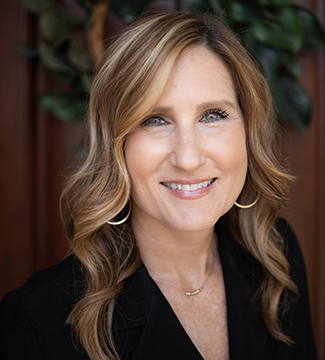
Melissa Huy

Clinical Assistant Professor III

Assistant Director Online Psychology Programs

Psychology Division, Online Psychology Division, Graduate School of Education and Psychology

Melissa Huy, PhD is a licensed clinical psychologist with over 20 years of experience in neuropsychological assessment and psychotherapy for children and adults. She earned her PhD in Clinical Psychology (Neuropsychology) from the California School of Professional Psychology and completed her postdoctoral fellowship at UCLA.

Dr. Huy is Assistant Director of the GSEP Online Psychology Program and a faculty member at Pepperdine University. Her experience spans academic medical centers, community clinics, and private practice, informing her teaching and mentorship.

Her clinical work focuses on anxiety, depression, neurological conditions, and academic challenges, and she is committed to advancing mental health awareness through education and outreach.

Learn more on the GSEP Meet Our Faculty page.

Careers

A Master of Arts in Clinical Psychology from Pepperdine University prepares you to pursue impact-driven careers across the mental health continuum. Whether your goal is to provide direct clinical care, support underserved populations, or work within specialized systems, this degree equips you with the skills, clinical training, and academic foundation to move forward with confidence.

Graduates are prepared to work in a wide range of professional settings, including:

  • Private practice and group therapy settings
  • Hospitals and integrated healthcare systems
  • Community mental health clinics
  • Schools and educational institutions
  • Nonprofit and social service organizations
  • Government and correctional facilities

Professional Paths to Consider

Depending on your licensure path (LPC or LMFT) and state requirements, you may pursue roles such as:

RoleWhat they doCommon settings
Licensed Marriage and Family Therapist (LMFT)
Provide therapy to individuals, couples, and families, with a focus on relational dynamics and systemic issues.
Private practice, family service agencies, community clinics
Licensed Professional Counselor (LPC) / Licensed Mental Health Counselor (LMHC)
Deliver mental health counseling across a broad range of concerns, including anxiety, depression, and trauma.
Private practice, family service agencies, community clinics
Substance Abuse Counselor
Support individuals struggling with addiction through assessment, treatment planning, and recovery support.
Rehabilitation centers, community organizations, healthcare facilities
School Counselor
Promote students’ academic, social, and emotional development through counseling and support services.
K–12 schools, school districts
Forensic Mental Health Professional
Assess and support individuals within the criminal justice system, including those navigating legal or correctional environments.
Correctional facilities, court systems, forensic hospitals
Case Manager / Mental Health Program Coordinator
Coordinate care, connect clients to resources, and support treatment continuity across services.
Non-profits, government agencies, community health organizations

The Value of a Career in Clinical Psychology

Careers in clinical psychology and counseling are part of a rapidly growing field, driven by increasing demand for mental health services across the United States. Employment is projected to grow faster than the national average (3%), including:

  • 13% growth for marriage and family therapists1
  • 17% growth for mental health counselors (2024–2034)2

While many entry- to mid-level roles offer steady earning potential, higher salaries are achievable, particularly with advanced licensure, specialized experience, or doctoral-level education.

Higher-earning psychology careers can include3:

  • Clinical psychologist—often exceeding $90,000–$100,000+, depending on setting and experience
  • Industrial-organizational psychologist—frequently $100,000+, especially in corporate environments
  • Neuropsychologist—can earn $100,000+ with specialized training
  • Forensic psychologist—salaries can reach into the high five to six figures, particularly in private practice or consulting

Factors that can influence your earning potential:

  • Level of education (master’s vs. doctoral degree)
  • Licensure and certifications
  • Area of specialization (e.g., neuropsychology, organizational psychology)
  • Work setting (private practice, healthcare systems, corporate, government)
  • Geographic location and demand

Demand remains especially strong in areas such as:

  • Community mental health
  • Substance use treatment
  • School-based counseling
  • Telehealth and integrated care settings

Career Support

As a student at Pepperdine University, you’ll have access to a range of resources designed to help you prepare for the job market and take the next step in your career. These services focus on building practical skills and giving you tools you can use during and after the program.

Résumé and CV guidance

  • Tips on structuring and formatting your résumé or CV for psychology-related roles
  • Examples tailored to clinical, research, and human services positions
  • Feedback to help you clearly present your education, skills, and experience
  • Guidance on tailoring applications for specific roles

Interview preparation

  • Common interview questions for mental health and counseling roles
  • Strategies for answering behavioral and scenario-based questions
  • Guidance on how to communicate your clinical knowledge and interpersonal skills
  • Practice resources to help you feel more confident in interviews

Job search tools

  • Access to job boards and online career platforms
  • Resources to help you identify roles aligned with your degree
  • Tips for organizing and tracking job applications
  • Guidance on using professional networks, including alumni connections

Additional career development support may include

  • General career advice and planning resources
  • Workshops or webinars focused on professional skills
  • Access to career services materials you can use after graduation

Overall, these resources are designed to help you build a strong foundation for your job search but you’ll still be responsible for actively applying, networking, and pursuing opportunities.

Become a Catalyst for Improvement Among Individuals, Families, and Communities. Learn More Today.

FAQs About Pepperdine’s Online Master of Arts in Clinical Psychology

  • Applying to the MA in Clinical Psychology program is about more than just checking boxes; it is about showing your potential to understand people and make a meaningful impact. The admissions process takes a holistic approach, looking at your experiences, goals, and readiness for the field.

    You can apply anytime, with new cohorts starting in winter, spring, summer, and fall.

    Here’s what you’ll need:

    • A Bachelor’s Degree
      You must have a degree from a regionally accredited college or university.
    • Official Transcripts
      Submit transcripts from all the colleges or universities you’ve attended. These can be sent electronically (through services like Parchment) or by mail.
    • Two Letters of Recommendation
      Choose people who know your academic or professional strengths well. If it has been more than three years since you graduated, professional references are preferred.
    • Statement of Purpose
      Write a 2–5 page essay sharing your background, interests, and career goals.
    • No GRE Required
      GRE scores are not required for admission to the Pepperdine Online MA in Clinical Psychology.
  • No, it will not. Your diploma will simply show that you earned a Master of Arts in Clinical Psychology from Pepperdine University.

  • Not at all. The program is focused on clinical training, ethical practice, and understanding human behavior. You do not need to be Christian to apply or succeed in the program.

    • A Welcoming, Inclusive Community
      While Pepperdine is a Christian university with a strong sense of purpose and service, the Graduate School of Education and Psychology (GSEP) brings together students from all kinds of backgrounds, beliefs, and perspectives.
    • Focused on Clinical Practice
      Coursework centers on evidence-based psychology. When topics like spirituality come up, they’re explored in a practical way—looking at how a client’s beliefs can shape their mental health and approach to treatment.
  • The program is built with working professionals in mind, so you can move through it at a steady, manageable pace. Most students finish in as little as 27 months (about 2.5 years).

    By the time you graduate, you’ll be academically prepared to take the next step toward licensure as a Licensed Professional Clinical Counselor (LPCC) or Licensed Marriage and Family Therapist (LMFT).

  • In most cases, no. The 27-month timeline is already designed to be as efficient as possible while still giving you the time and experience you need to succeed.

    Why the Timeline Is Set
    Unlike some other programs, this one includes hands-on clinical training that takes place over four terms. These supervised practicum hours involve real client work, and they simply cannot be rushed or compressed into a shorter timeframe.

    What to Expect Workload-Wise
    Most students take about 6 units per term, which tends to be a full but manageable schedule—especially if you’re balancing work or other responsibilities alongside your studies.

  • Both tracks are part of the MA in Clinical Psychology and share the same strong foundation. The main difference comes down to treatment philosophy and scope of practice.

    • LMFT (Licensed Marriage and Family Therapist)
      This track focuses on relationships and family dynamics. You’ll learn how to work with individuals, couples, and families by looking at how their interactions and environments shape their mental health.
    • LPC/LPCC (Licensed Professional Clinical Counselor)
      This track takes a more individual-centered approach. It prepares you to help people navigate personal challenges, mental health concerns, and life transitions using a broad range of counseling techniques.
  • The program is designed to give you the best of both worlds; flexible online learning combined with real, hands-on clinical experience.

    • Live, Interactive Classes
      You’ll join weekly online classes in real time, so you can see and speak with your professors and classmates.
    • In-Person Clinical Experience (Close to Home)
      Alongside your online coursework, you’ll complete four practicum placements at approved sites in your local area. This is where you’ll gain the real-world experience needed for licensure.
    • Built for a Busy Schedule
      With new terms starting in winter, spring, summer, and fall, the schedule is designed to fit into your life, especially if you’re balancing work or other commitments.
  • All of your coursework is completed online, so there’s no need to travel to campus. You’ll attend live classes via video and submit your assignments digitally, making it easy to learn from wherever you are.

    • What About In-Person Experience?
      While your classes are fully online, the program does require in-person clinical training. You’ll complete these practicum hours at approved sites in your local community, not on the Pepperdine campus.
  • Pepperdine’s program is designed to meet California’s licensure requirements, including those for LMFT and LPCC. Because every state sets its own rules, requirements can vary quite a bit depending on where you plan to practice.

    • How Licensing Can Differ by State
      Some states may ask for specific courses, different exams, or a certain number of supervised clinical hours that don’t exactly match California’s standards.
    • What You Should Do Next
      If you’re planning to pursue licensure outside of California, it’s a good idea to check directly with your state’s licensing board. They can confirm whether this program meets their requirements or if you might need any additional steps.
  • A Master’s in Clinical Psychology can lead to a wide range of meaningful careers in the mental health field. Graduates often find roles in private practices, hospitals, schools, and community organizations; working directly with people to support their well-being. Common career paths include:

    • Licensed Therapist
      Work as an LMFT or Licensed Mental Health Counselor, providing therapy, developing treatment plans, and helping clients navigate life’s challenges.
    • Behavioral Specialist
      Support individuals dealing with addiction or behavioral disorders as a substance abuse counselor or behavior analyst (BCBA).
    • School Counselor
      Help students succeed both academically and emotionally by offering guidance, support, and intervention when needed.
    • Forensic Mental Health Professional
      Work within the legal system, assessing and supporting individuals involved in criminal cases or correctional settings.
    • Case Manager
      Coordinate care for individuals by connecting them with mental health services, resources, and support systems.
    • Crisis Intervention Specialist
      Provide immediate support to individuals experiencing acute mental health crises, often in hotlines, hospitals, or community programs.
    • Rehabilitation Counselor
      Help people with physical, emotional, or developmental challenges build skills and access resources to live more independently.
  • The main difference comes down to what the program focuses on and where you want your career to go.

    • MA (Master of Arts)
      An MA is usually more focused on people and practice. You’ll spend more time learning counseling techniques, exploring human behavior, and understanding social and cultural influences. It is a great fit if you’re aiming for hands-on roles like therapy or counseling.
    • MS (Master of Science)
      An MS leans more toward research and data. These programs tend to focus on scientific methods, analysis, and evidence-based approaches. It is often a good path if you’re considering a PhD or a research-focused career.
  • This degree can definitely help you become a strong candidate for doctoral programs but credit transfers are not guaranteed.

    • How Credit Transfers Work
      Every doctoral program has its own curriculum, so schools usually review your master’s coursework on a case-by-case basis. Even within the same university, policies can vary.
    • What Most Students Can Expect
      In some cases, you may be able to waive a few introductory courses (often around 6–9 units). That said, most students still start their doctoral program from the beginning rather than jumping in as a second- or third-year student.

Pepperdine University partners with 2U to support the delivery of these online programs. Pepperdine University has full control over the programs, including all core academic functions. Click here to learn more about 2U’s roles and responsibilities.

  1. Community and Social Service: Marriage and Family Therapists. (2025). U.S. Bureau of Labor Statistics. Retrieved May, 2026. ↩︎
  2. Community and Social Service: Substance Abuse, Behavioral Disorder, and Mental Health Counselors. (2025). U.S. Bureau of Labor Statistics. Retrieved May, 2026. ↩︎
  3. 25 Best Psychology Careers Worth Over 100,0000 In Salary. (2024). Masters in Psychology Guide.com. Retrieved May, 2026. ↩︎