

Work in or near your community:
Complete clinical placements locally.
The online Master of Science in Speech-Language Pathology program from Pepperdine University prepares skilled, compassionate students for careers as speech-language pathologists through a robust, innovative curriculum rooted in Christian values.
Prepare to make a real-world impact through an online MS in Speech-Language Pathology that blends flexible online learning with hands-on training, including three on-site experiences and 400 supervised clinical clock hours completed in your local community.
Work in or near your community:
Complete clinical placements locally.
Flexible learning pathways:
Choose a schedule that fits your life with five- or eight-trimester options.
Three start dates per year:
Begin when the timing is right for you.
22 courses:
Build foundational and advanced speech-language pathology knowledge through a comprehensive curriculum.
400 supervised clinical hours:
Gain hands-on experience in real-world clinical settings.
3 on-site experiences:
Participate in immersive, in-person training and collaborative learning opportunities.

The online Master of Science in Speech-Language Pathology is designed to align with the academic and clinical standards required for professional practice in speech-language pathology. Pepperdine University is accredited by the Western Association of Schools and Colleges Senior College and University Commission (WSCUC).1
The Master of Science (MS) education program in speech-language pathology (distance education) at Pepperdine University is a Candidate for Accreditation by the Council on Academic Accreditation in Audiology and Speech-Language Pathology (CAA) of the American Speech-Language-Hearing Association (ASHA). Candidacy is a preaccreditation status with the CAA, awarded to developing or emerging programs for a maximum period of five years.
Graduates will be academically prepared to pursue the Praxis Examination in Speech-Language Pathology, the Certificate of Clinical Competence in Speech-Language Pathology (CCC-SLP) through ASHA following completion of a Clinical Fellowship Year, and state licensure as a speech-language pathologist. Licensure requirements vary by state and may include additional postgraduate clinical or examination requirements.
Pepperdine University seeks applicants who have a strong academic background and a desire to improve our local communities and the lives of patients at every opportunity.
Visit our Admissions or Application Requirements page for further details.
If you have not completed the foundational courses needed for the program, we have a Post Baccalaureate Speech-Language Pathology Foundations program that can help prepare you for the full master’s degree.
The online Master of Science in Speech-Language Pathology is a 53-credit graduate program. Tuition for the 2026–2027 academic year is $1,800 per credit, bringing the estimated total tuition for the full degree to $95,400.
Your total cost of attendance may vary depending on how you finance your education and whether you qualify for financial aid.
For a more up-to-date breakdown of tuition, fees, and funding options, visit the Tuition and Financial Aid page.
$500,000 in Master of Science in Speech-Language Pathology program scholarships has been unlocked to invest in the education of the next generation of SLPs who are ready to serve, ready to lead, and ready to make a difference in the lives of patients. Students admitted to and enrolled in the August 2026 cohort are eligible for scholarship awards — please ask your enrollment specialist for more details.
The online Post Baccalaureate Speech-Language Pathology Foundations program from Pepperdine University has been designed for students who have not yet completed all the undergraduate courses required to qualify for a master’s degree in speech language pathology.
With no fixed course load each semester, you’re able to enroll in the courses you need and complete the course work at your own pace.
Depending on the courses you are required to complete, you will learn the fundamentals of speech, language, and hearing as well as have the opportunity to complete your compulsory clinical observation hours.
An enrollment specialist will work with you to determine which courses you need to take, and each course takes as few as 15 weeks to complete. The program is designed so you can complete your required courses and apply to the online master’s degree on a schedule that works best for you.
The 53-credit curriculum progresses from fundamental knowledge to advanced practices and competencies in speech-language pathology, preparing you to care for patients across the entire lifespan and continuum of care.
Available in both full-time (five trimesters) and part-time (eight trimesters) formats, the program comprises courses that cover the breadth and depth of speech-language pathology as it is applied to the prevention, identification, assessment, diagnosis, and treatment of communication and swallowing disorders. Our evidence-based academic curriculum, enhanced by our Christian lens, prepares you for success across all speech-language pathology settings.
22 online courses:
Build foundational knowledge in communication disorders, diagnostics, treatment planning, audiology, and evidence-based intervention through flexible online coursework.
400 supervised clinical hours:
Apply classroom learning in real-world healthcare and educational settings through supervised clinical training with diverse patient populations.
Three on-site experiences:
Participate in in-person clinical simulations, faculty-led workshops, and collaborative learning experiences designed to strengthen hands-on skills.
Build a strong academic and clinical foundation through graduate-level coursework designed to prepare you for modern speech-language pathology practice.
What you’ll study:
How the coursework supports your development
How courses are delivered
Whether you desire to serve in NICUs, private practices, pediatric clinics, schools, or elderly care facilities, you’ll develop a comprehensive skill set applicable to these diverse clinical scenarios.
Depending upon prior course work, students may be required to complete all of the foundational courses before beginning the program. Most students with a bachelor’s degree in communication sciences and disorders will already have completed the required courses.
Choose the course sequence that best fits your schedule, financial needs, and professional goals. The online Master of Science in Speech-Language Pathology offers three pathways to complete the same 53-credit curriculum while preparing for clinical practice.
| 5-Term Sequence | 8-Term Sequence | 8-Term Sequence (No Summer) |
|---|---|---|
Accelerated pathway for students who want to complete the program in as few as five terms. | Flexible pathway designed for students who prefer a lighter course load while balancing work and personal commitments. | Flexible pathway with a built-in summer break. |
Full-time course load with integrated clinical education and practicum experiences. | Coursework and clinical experiences are spread across eight terms. | Concentrates financial aid in the Fall and Spring semesters, which may help reduce reliance on private loans. |
Flexible pathway with a built-in summer break, giving you time to work additional hours, build savings, and help fund your education on your own terms. | ||
Complete the same 53-credit master’s curriculum. | Complete the same 53-credit master’s curriculum. | Complete the same 53-credit master’s curriculum. |
All three pathways provide the same master’s curriculum, clinical education, and preparation for professional practice, allowing you to choose the pace and schedule that best fits your goals.
Complete the 53-credit Master of Science in Speech-Language Pathology curriculum through coursework, clinical education, and practicum experiences designed to prepare you for professional practice across the lifespan.
Depending on your academic background, you may be assigned one or more foundational prerequisite courses before beginning the master’s curriculum. These courses are intended to help ensure you have the knowledge needed for graduate-level study and are not required for every student.
Introduction to the profession of speech-language pathology, covering the origins of the profession and ASHA, Scope of Practice, Code of Ethics, HIPAA, FERPA, fiduciary responsibility, service models, business aspects of practice, universal precautions, clinical supervision, clinical counseling, contemporary professional issues, interprofessional practice, cultural/linguistic diversity, and the integration of Christian values into clinical practice.
Advanced study of the underlying anatomy and physiology of the basic human communication and swallowing processes, including the appropriate biological, neurological, acoustic, psychological, and developmental bases across the lifespan. Covers embryonic/fetal, pediatric, adult, and geriatric anatomy and physiology related to respiration, phonation, resonance, articulation, audition, mastication, deglutition, and digestion, as well as neuroanatomy and neurophysiology.
Examination of pediatric language and cognitive disorders across the developmental spectrum, including assessment, diagnosis, and evidence-based intervention strategies for children with receptive and expressive language impairments. Explores the impact of developmental, neurological, genetic, and environmental factors on communication, while emphasizing culturally responsive care, family collaboration, and clinical decision-making in diverse practice settings.
Students complete 400 supervised clinical hours that provide hands-on experience working with patients in real-world clinical settings within or near their local communities. Integrated throughout the program, these placements help students apply classroom learning while building practical skills in assessment, intervention, treatment planning, and patient communication.
Clinical experiences may take place in schools, hospitals, rehabilitation centers, private practices, and community-based settings, giving students exposure to diverse patient populations and communication disorders.
Pepperdine also provides dedicated clinical placement support to help students identify and secure approved practicum opportunities near their communities whenever possible.
During clinical placements, students may:
How clinical hours support professional development
Students participate in three required on-site experiences designed to complement online learning through hands-on clinical training, collaboration, and faculty mentorship.
Held at key points throughout the program at Pepperdine’s Malibu campus, these in-person experiences help reinforce clinical skills and connect coursework to applied practice through interactive learning activities such as:
The experiences also give students the opportunity to build meaningful connections with classmates, faculty, and the broader Pepperdine learning community while strengthening the practical skills needed for clinical practice.
Why these experiences matter
As a student in the online Master of Science in Speech-Language Pathology program, you’ll learn from Pepperdine University faculty members who are licensed speech-language pathologists, and who bring years of diverse experiences and expertise across the lifespan and continuum of care to the classroom.
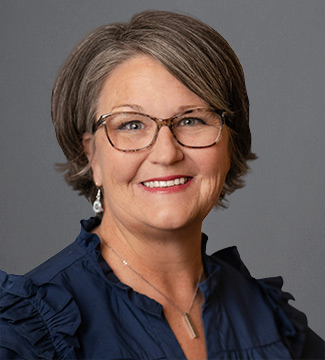
Clinical Instructor
School of Speech-Language Pathology
Angie Haustein is a speech-language pathologist and clinical instructor who has spent her career working in diverse settings, including preschools, elementary and secondary schools, foster care evaluation clinics, and juvenile detention facilities.
Her primary focus is evaluating children, from birth to age 18, to identify the need for therapeutic intervention, special education placement, representation in court proceedings, and parental training and support.
She holds a bachelor’s degree in Communication Disorders from Harding University and a master’s in Speech-Language Pathology from the University of Mississippi. She gained experience through employment at Easter Seals Children’s Rehabilitation Center, First Step Arkansas, UAMS KIDS FIRST program, UAMS: Project for Adolescent/Child Evaluation, and most recently the North Little Rock School District. Haustein’s passion is serving children and families who have been challenged by poverty, trauma, juvenile court involvement, and family disruption.
Haustein lives with her husband and son in Arkansas. She enjoys traveling, reading, watching documentaries, cheering for the Razorbacks, St. Louis Blues, and St. Louis Cardinals, and spending time with family and friends.
Our online Master of Science in Speech-Language Pathology program prepares you for a wide variety of career opportunities. Once you have obtained licensure, you can practice as a speech-language pathologist, or you may decide to pursue a research-based doctorate to continue your educational and leadership journey.
Graduates may pursue opportunities in schools, hospitals, neonatal intensive care units (NICUs), rehabilitation centers, private practice settings, and other community-based healthcare and educational environments supporting individuals with communication, cognitive-communication, and swallowing disorders across the lifespan.
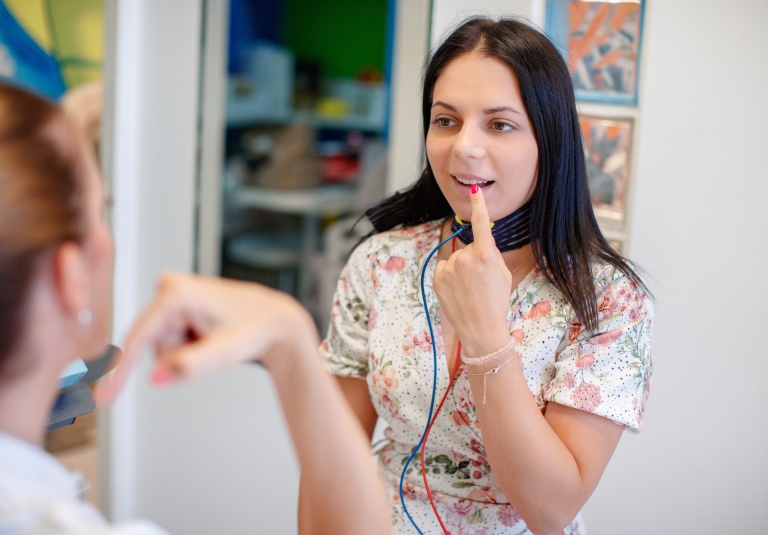
Speech-language pathology continues to be a high-demand healthcare profession, driven by growing needs in early childhood intervention, aging populations, and rehabilitation services. According to the U.S. Bureau of Labor Statistics, employment of speech-language pathologists is projected to grow 15% from 2024 to 2034,2 much faster than the average for all occupations.
As of 2026, salary expectations for speech-language pathologists vary based on setting, geographic location, experience, and specialization. According to the U.S. Bureau of Labor Statistics, the median annual salary for speech-language pathologists was $95,410 in May 2024, with the lowest 10% earning less than $60,480 and the highest 10% earning more than $132,850. Higher earning potential may be available in specialized healthcare settings such as hospitals, NICUs, and private practice.3
Compensation may vary depending on clinical setting, licensure status, specialization, and regional demand.
Graduates may pursue roles such as:
| 2026 Target Career Path | Work Setting | What They Do | Estimated Median Salary |
|---|---|---|---|
Speech-Language Pathologist | Schools / Hospitals / Private Practices | Assess, diagnose, and treat speech, language, cognitive, voice, fluency, and swallowing disorders across the lifespan. | $95,4104 |
Dysphagia Specialist | Acute Care / Skilled Nursing Facilities | Evaluate and manage swallowing disorders in pediatric and adult populations. | $95,4105 |
Adult Neurogenic Communication Specialist | Rehabilitation Hospitals / Neurology Clinics | Treat aphasia, traumatic brain injury, dementia, and other cognitive-communication disorders. | $95,4106 |
Speech-Language Pathology Researcher / Doctoral Candidate | Universities / Academic Research Settings | Pursue advanced research and leadership opportunities in communication sciences and disorders. | $83,9807 Varies by institution and role |
Explore the full range of careers you can pursue with a master’s in SLP, from corporate consulting to private practice.
The College of Health Science is committed to preparing students for successful careers in healthcare. In addition to rigorous coursework and clinical education, you’ll have access to faculty mentors, administrators, and clinical staff who support your transition into the healthcare workforce.
Throughout the program, you’ll also have opportunities to participate in career-focused events, including employer panels, networking receptions, and industry-specific career fairs designed to connect you with healthcare professionals, organizations, and potential employers.
These professional development opportunities complement your academic and clinical training as you prepare for a career in speech-language pathology.
Invest in your educational journey and aspiring career as a speech-language pathologist with Pepperdine University.
Yes, distance-based universities like Pepperdine allow students to complete the academic components of their SLP program through interactive, online study.
Students then fulfill their clinical requirements by completing supervised practicum and externship hours at approved clinical sites local to them.
Pepperdine offers a distinctive “best of both worlds” approach that combines the convenience of online study with the deep connection of a traditional campus experience.
The required length of time to become a fully licensed SLP varies based on the program format and state licensure requirements.
The Pepperdine University Online Master of Science in Speech-Language Pathology can be completed in two ways: a full-time format that can be completed in five trimesters or a part-time format that takes eight trimesters.
Yes, there is a recognized shortage of qualified speech-language pathologists, largely driven by a combination of factors, including high demand for services and an aging workforce.
Yes. Demand for speech-language pathologists is expected to continue growing significantly over the next decade. According to the U.S. Bureau of Labor Statistics, employment of speech-language pathologists is projected to grow 15% from 2024 to 2034,8 much faster than the average for all occupations.
This growth reflects increasing needs in schools, healthcare systems, rehabilitation centers, and aging populations.
According to the U.S. Bureau of Labor Statistics (BLS), Occupational Therapists (OTs) earned a median annual wage of approximately $98,340,9 while Speech-Language Pathologists (SLPs) earned a median annual wage of $95,410.10
Overall, OTs generally earn a slightly higher median salary than SLPs. However, an SLP’s salary may exceed an OT’s depending on factors such as work setting (e.g., skilled nursing facilities), geographic location, and years of experience.
Yes, remote work is possible in the field through teletherapy, which virtually connects individuals to specialized speech-language services.
For SLPs, this remote service delivery can be a solution for achieving a better work-life balance because it eliminates the need for daily commutes.
Working as a Speech-Language Pathologist in your own neighborhood offers a unique blend of professional autonomy and personal fulfillment.
The total cost of a master’s degree in speech-language pathology is determined by the cost per credit and any associated graduate fees, and these numbers are subject to change annually.
Estimated tuition varies based on the number of credits required to complete the program, as well as any applicable university fees. Because tuition and fee structures may change, we recommend visiting the official tuition page for the most current cost information.
No, the Graduate Record Examination (GRE) is generally not required for admission into this program.
However, if your first language is not English, you will need to demonstrate language proficiency by submitting scores from a test such as the Test of English as a Foreign Language (TOEFL) or the International English Language Testing System (IELTS).
Yes, depending upon your prior course work, you may be required to complete foundational courses before beginning the program.
Most students with a bachelor’s degree in communication sciences and disorders will already have completed the required courses.
Applicants who lack the foundational courses may be admitted to complete the required foundational courses through the online Post Baccalaureate Speech-Language Pathology Foundations program.
All coursework and clinical requirements in the online MS in Speech-Language Pathology program are designed to meet Council on Academic Accreditation (CAA) and American Speech-Language-Hearing Association (ASHA) standards for certification.
Students prepare for the Praxis Exam in Speech and Language Pathology through a dedicated preparation sequence in the final two trimesters.
Upon completing the program, you should possess the knowledge and skills required for the Praxis Exam, the Certificate of Clinical Competence (CCC), and state licensure.
Yes. While your coursework is delivered online, your clinical training is completed in approved healthcare and educational sites located in or near your own community.
Dedicated Placement Support: You are not responsible for securing clinical sites alone. A dedicated clinical placement team works with you to identify and arrange approved sites, in or near your community, depending on availability and state requirements.
Real-World Clinical Settings: Your supervised clinical experience may take place in a variety of professional environments, including:
These placements are designed to ensure you complete the 400 supervised clinical hours required for certification and licensure pathways.
Integrated Into Your Program: Clinical practicums are built directly into your degree plan and may begin as early as Term 1, allowing you to immediately apply what you learn in your online coursework to real patient care experiences.
Yes, the online MS in Speech-Language Pathology program combines weekly, online classes with three required on-site experiences at the Calabasas Campus.
In addition to these visits, students must complete 400 supervised clinical clock hours at a location local to them.
The curriculum is composed of 22 online courses, 400 supervised clinical hours, and three on-site experiences. Foundational courses include:
Pepperdine University partners with 2U to support the delivery of these online programs. Pepperdine University has full control over the programs, including all core academic functions. Click here to learn more about 2U’s roles and responsibilities.